How we choose
A useful piece should work on its own.
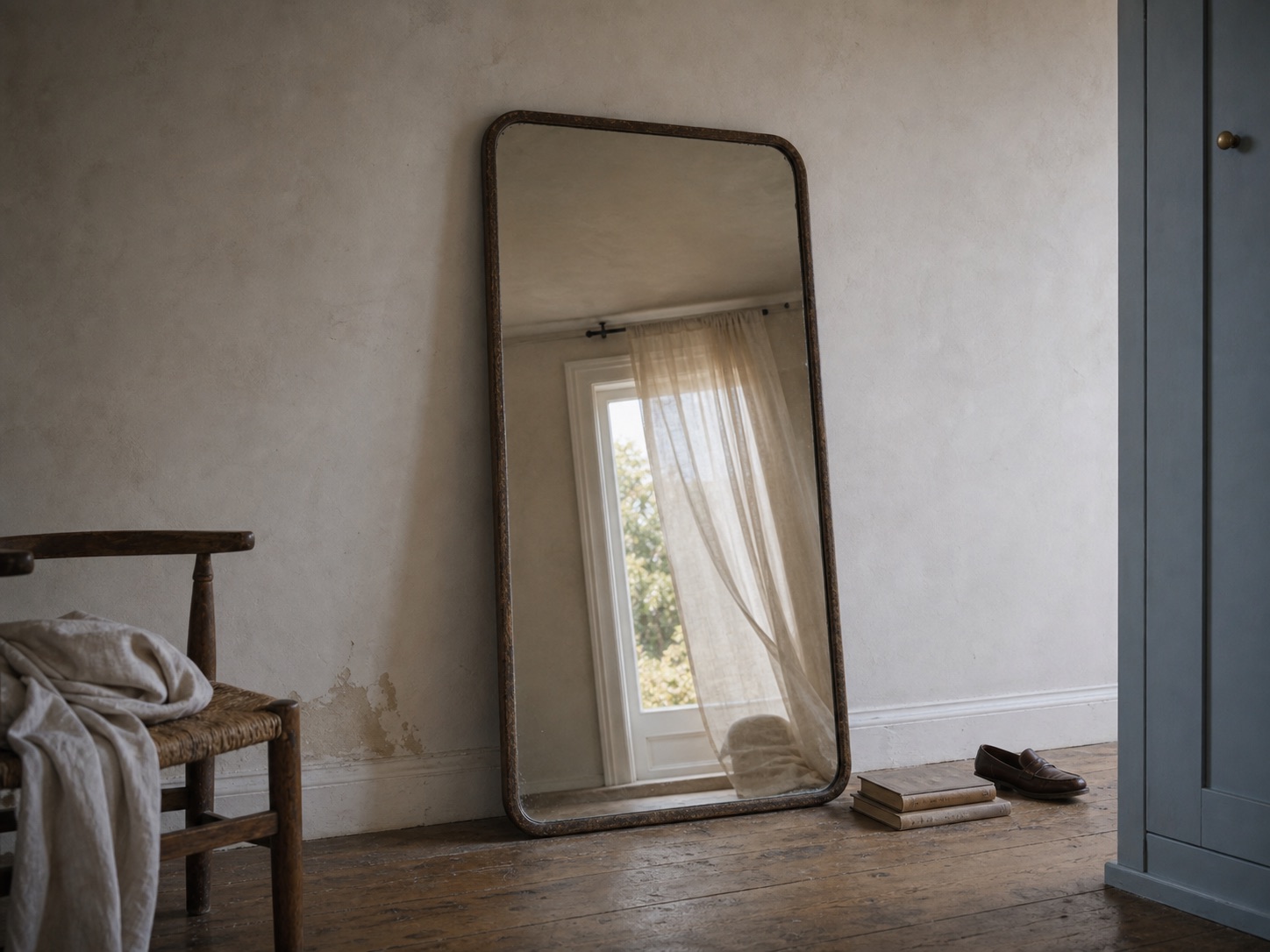
Styling helps almost anything look good in a photograph. A tray, branch, or stack of books can add warmth, but it shouldn't have to supply all the interest.
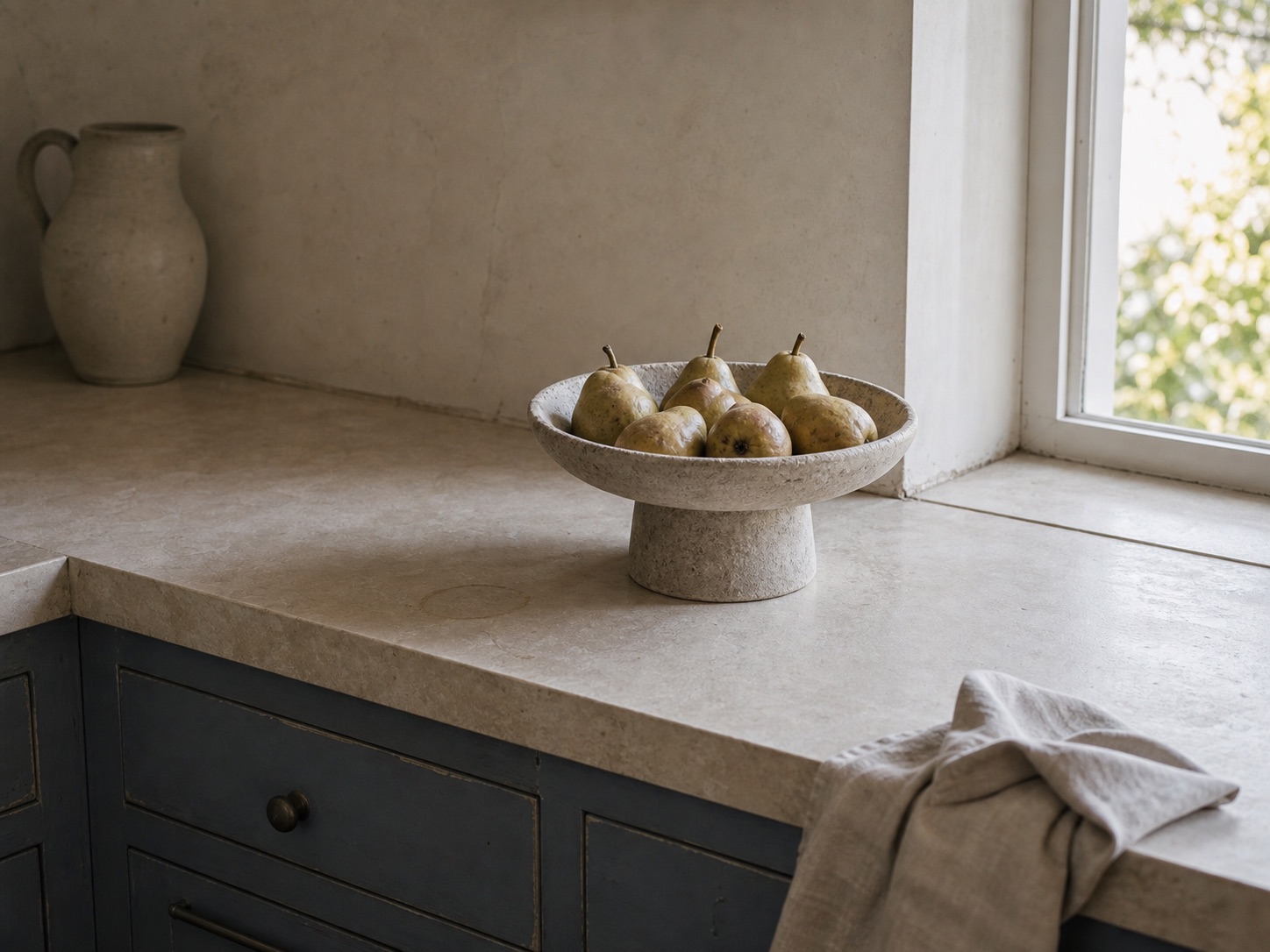
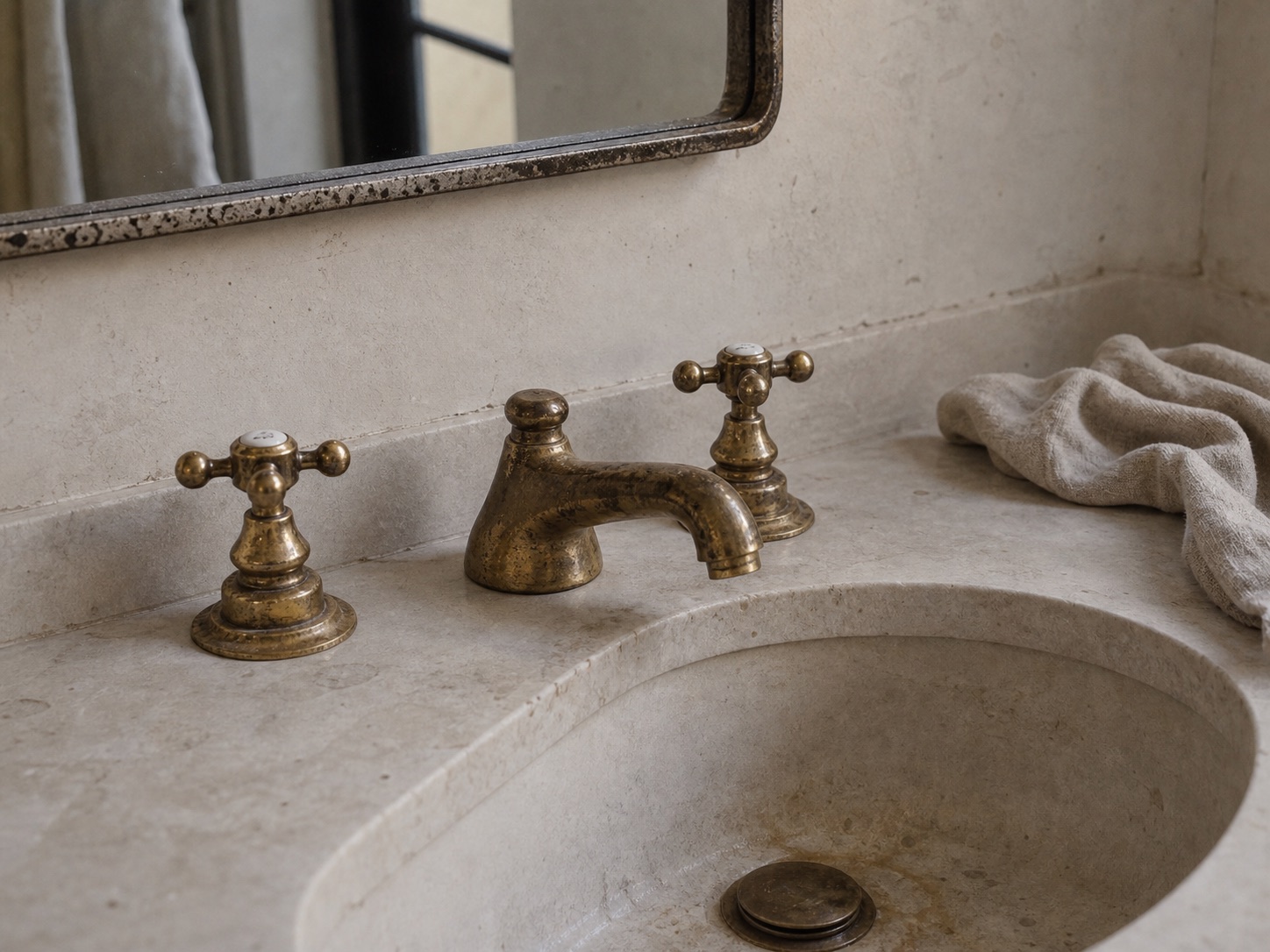
By functional sculpture, we mean a useful object whose shape, material, or craft is worth noticing. It can welcome the everyday clutter; it just doesn't depend on it.
It still has a job to do.
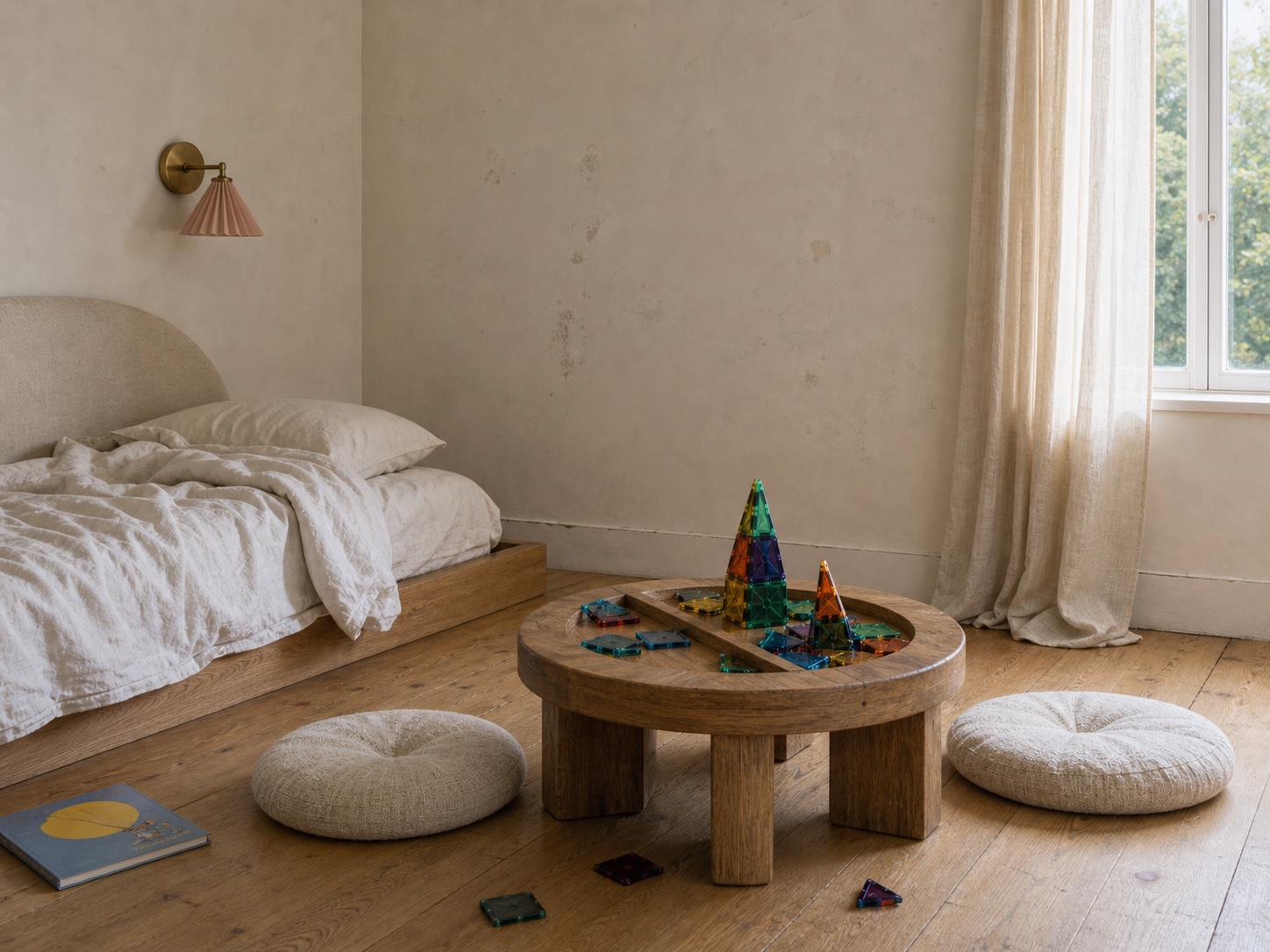
The function is not a technicality. A sideboard should store what you need, a stool should be comfortable, a lamp should give useful light, and a play table should survive actual play.
The sculptural part is simpler: the piece adds something to the room even when no one is using it. Its shape, texture, or material makes the wall, floor, or corner more interesting.
Rugs count, too.
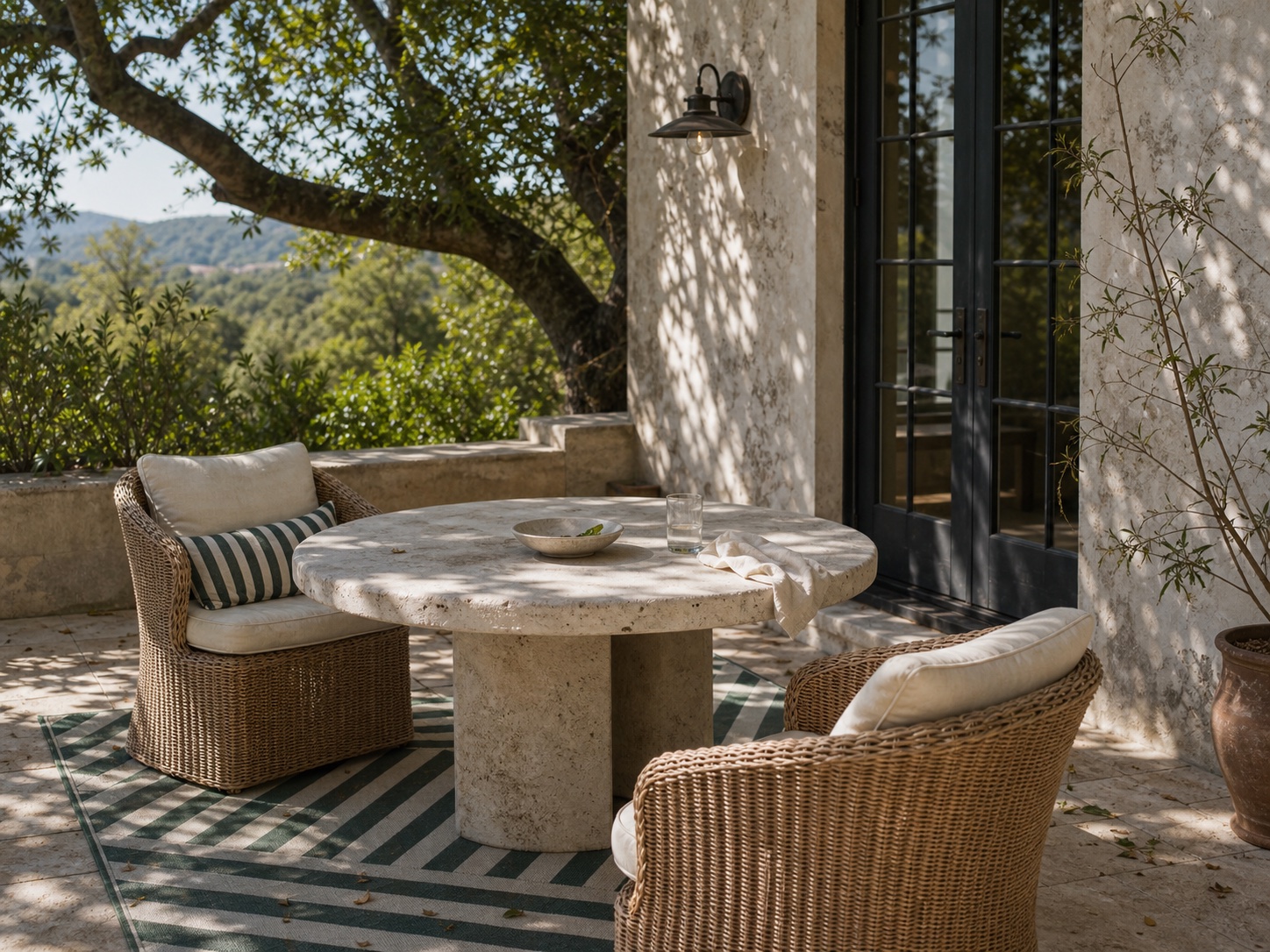
A rug is useful background, but it can also give the room structure. Pile, weave, border, relief, and faded color can make a floor interesting before much furniture arrives.
Functional sculpture doesn't have to stand upright or feel precious. A rug can fit the idea precisely because it is soft, low, and walked on every day.
A table can work well empty.
A coffee table needs to be easy to reach, but size, material, and shape matter too. A low oak table or a solid piece of travertine can bring the seating together before a tray arrives.
If the table looks good empty, everyday things can come and go without the room feeling unfinished.
Soft pieces and small objects count, too.
A cushion, bowl, or small stool can fit the idea when it is useful and its shape or material stands on its own. The point is not scale or hardness; it is whether the piece still works on an ordinary day.
This doesn't mean leaving it bare.
None of this is an argument against flowers, books, fruit, or the ordinary things that collect in a room. Those details are what make a home feel used.
The main piece simply needs to work before they arrive. The added layers make it personal, not complete.
Why this makes choosing easier.
Functional sculpture isn't a style or a price point. It is simply a useful way to choose: would we use this often, and would we still like it on an ordinary, unstyled day?
A simple check.
Look at the piece alone, without branches, books, trays, candles, cushions, or dramatic lighting. What do you notice then?
If it is useful, comfortable, well made, and pleasing on its own, it fits the idea. If the styling is doing most of the work, it may be worth looking again.
The best pieces make a room easier to live in and easier to leave alone.
Function can be audible as well as visible. Continue with objects that make a room sound different.