Room guide
The most useful piece is often the best place to start.
If the sofa and rug are fine but the room still feels unfinished, another accessory may not help. Look instead at the piece the room is built around: the table, sideboard, bed, or chair you use every day.
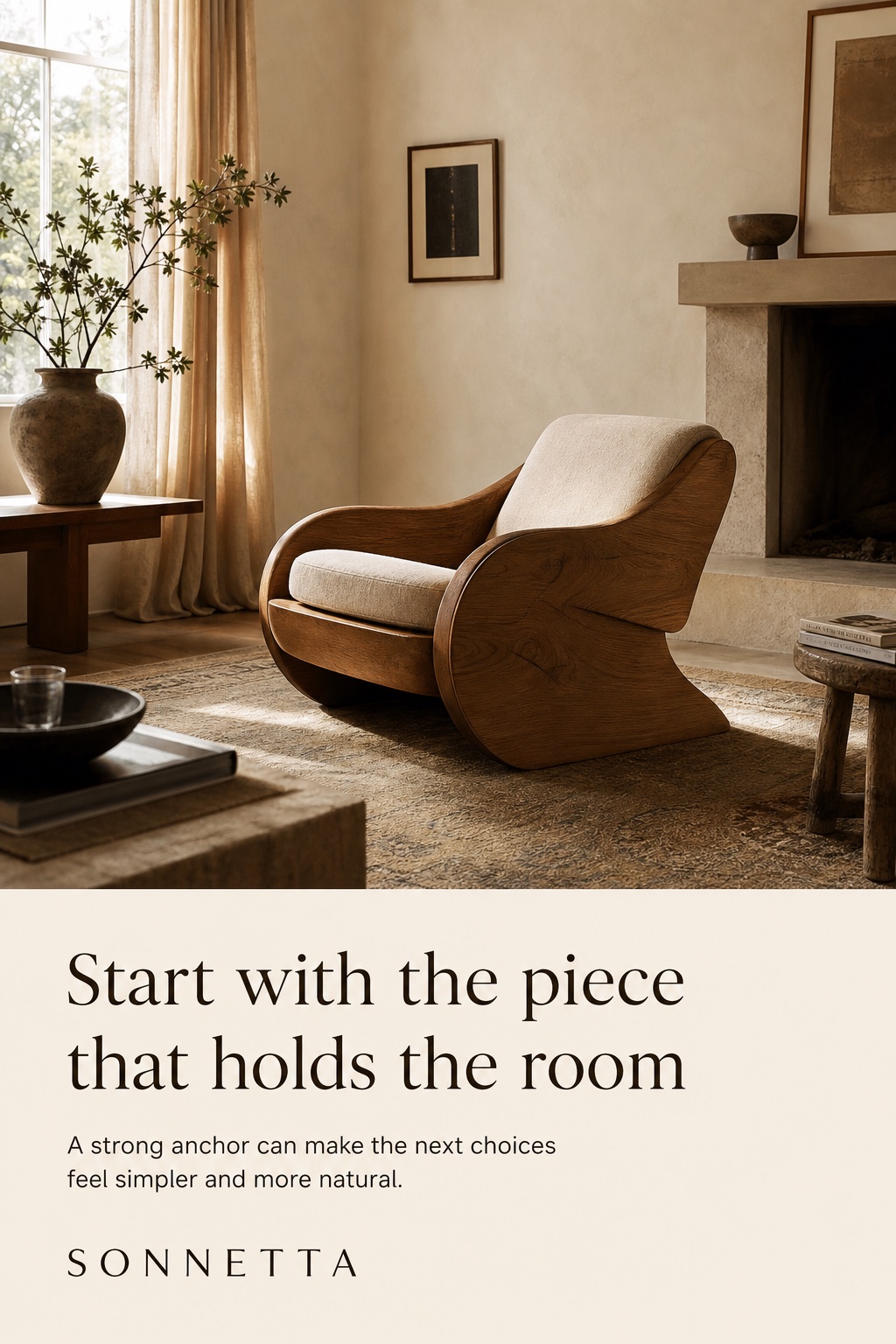
It may not be the largest or most expensive thing in the room. It is simply the piece that helps everything else make sense.
Usefulness is a good place to start.
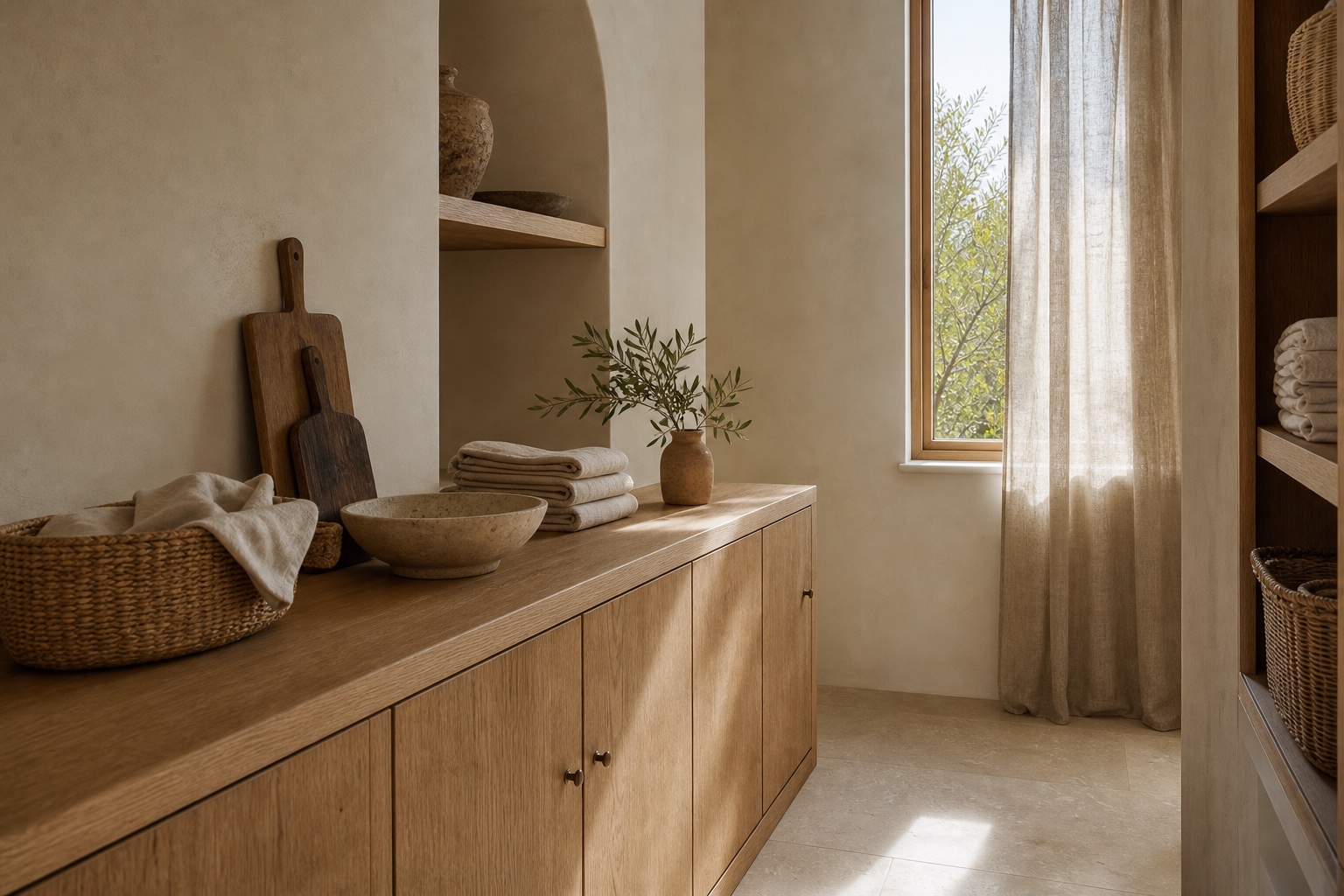
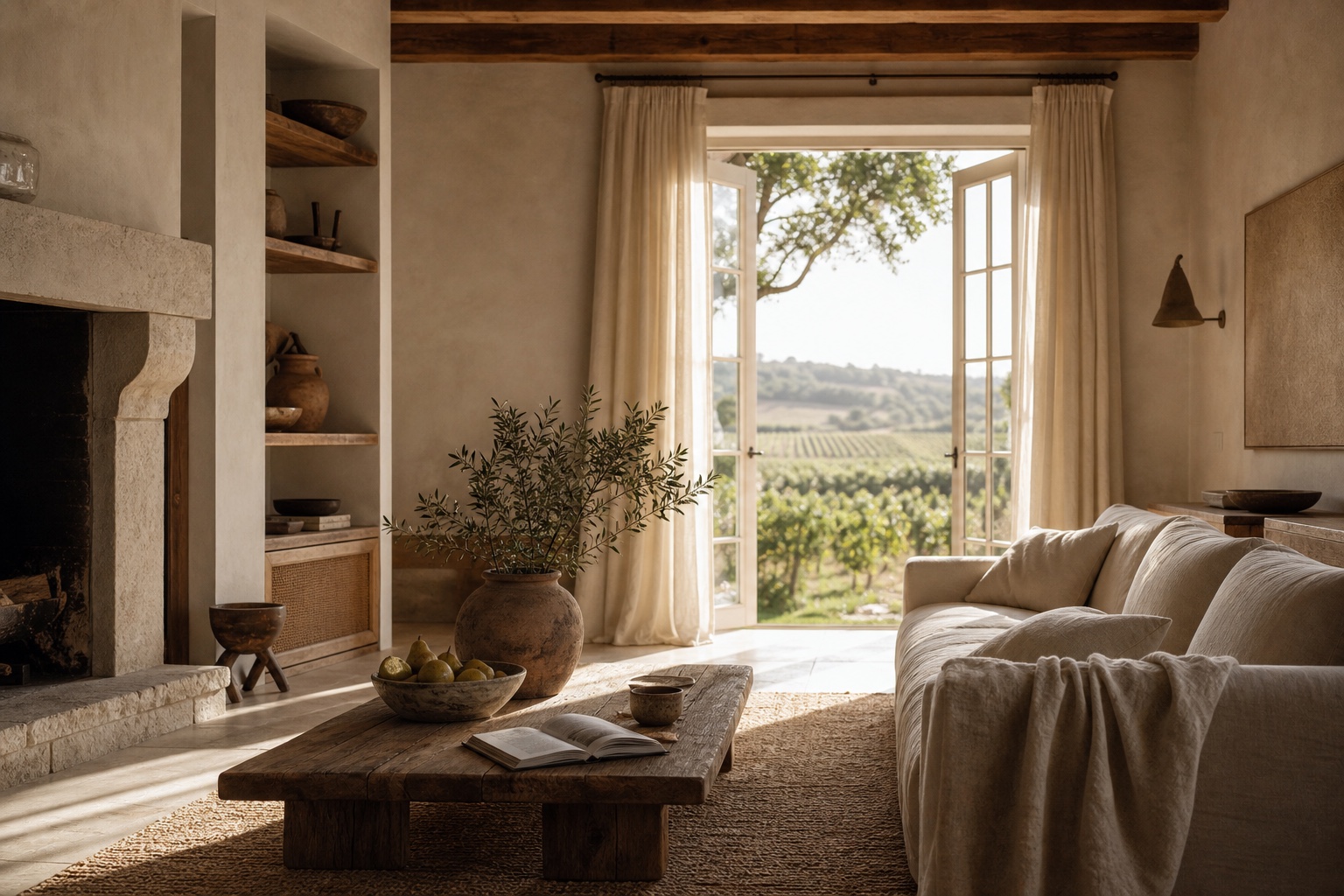
The strongest starting pieces tend to earn their space: a sideboard stores everyday clutter, a dining table gathers people, a bed makes the room comfortable, and a lounge chair turns an unused corner into a place to sit.
Because you use the main piece every day, it is worth choosing one that feels good to open, sit at, set things on, or pull closer.
Check the scale against the room.
Scale isn't only about size. A large piece can still look flimsy, while a modest one can feel substantial. Compare its height and width with the wall, floor area, and furniture nearby.
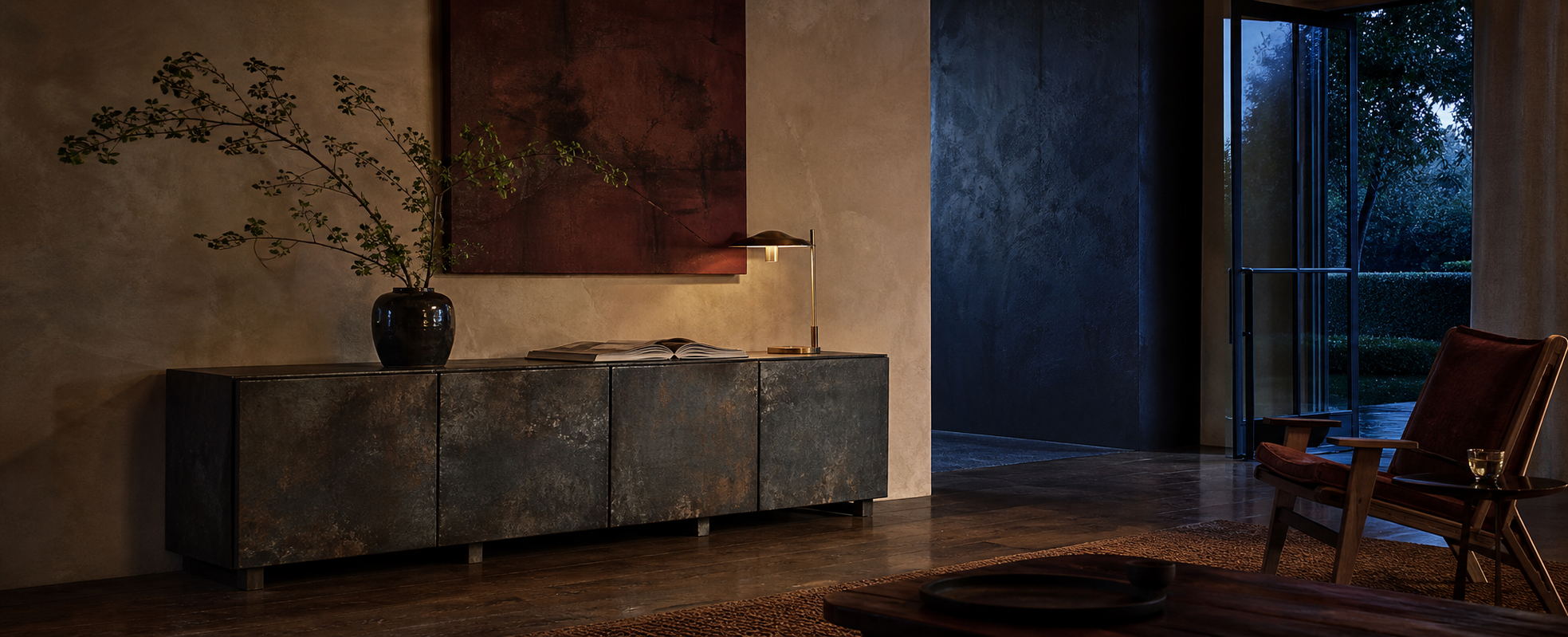
A long, low sideboard can fill a blank wall without crowding it. A generous table can bring scattered chairs together. A substantial lamp can finish a reading corner without extra decoration.
Material changes how the piece feels.
Iron can add edge, wood brings grain and warmth, and stone adds visual weight. A useful contrast can help the main piece connect with what is already in the room.
If the piece already has texture and character, try leaving a little room around it before adding more.
Picture it without the styling.
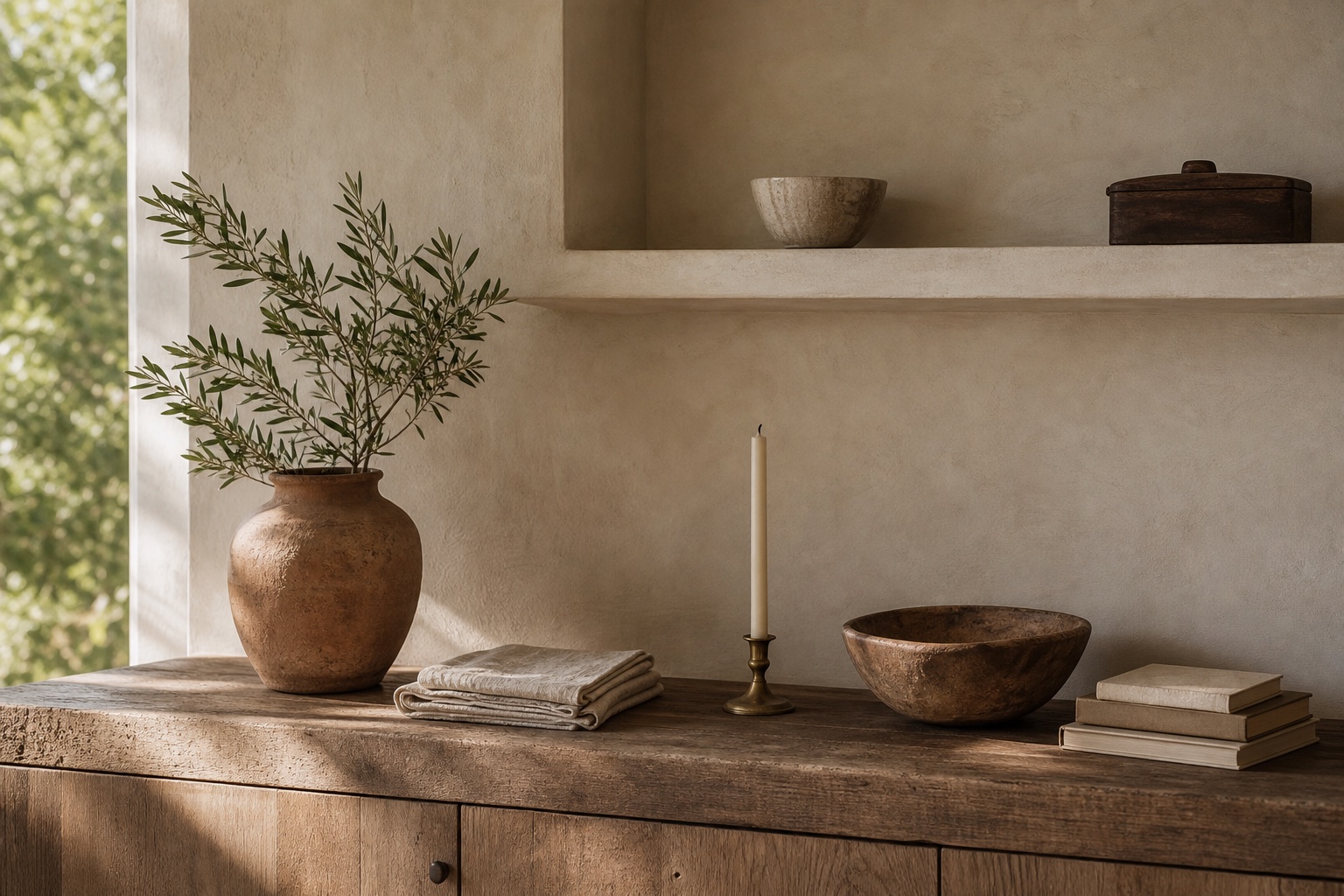
Picture the piece with nothing on top: no flowers, books, candle, or leaning print. Does its shape still suit the room? Is it useful? Do you still want to look at it?
If the answer is yes, it may be a good starting point. If not, it is worth looking again before filling the surface.
Give it a little room.
Once the main piece is right, wait before filling every gap. You may find that the wall needs less art, the corner needs no theme, and the tabletop works with only what you use.
One good choice often removes several smaller decisions.
A good main piece helps the room feel settled before anything else is added.