How we choose
Styling can make almost anything look finished.
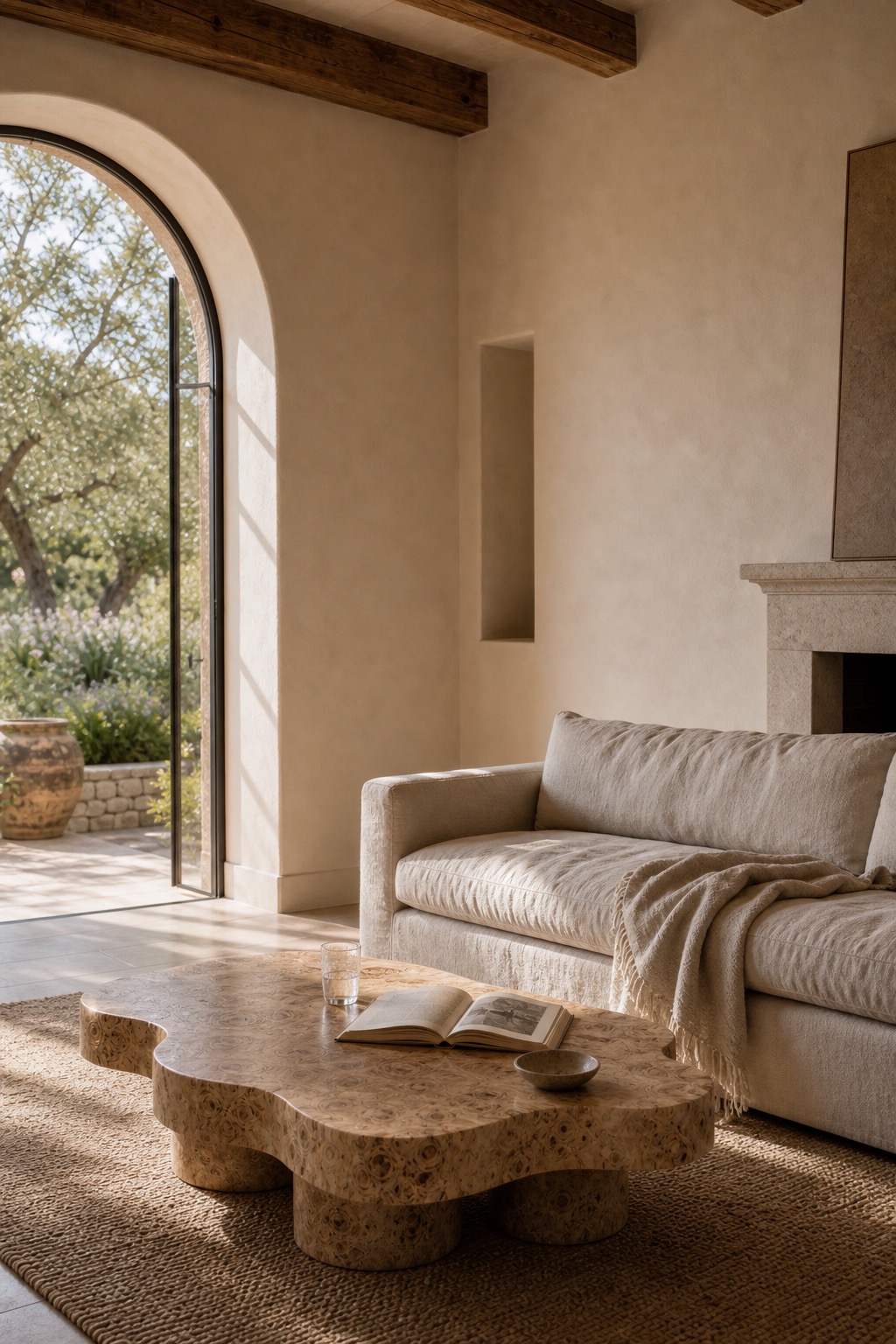
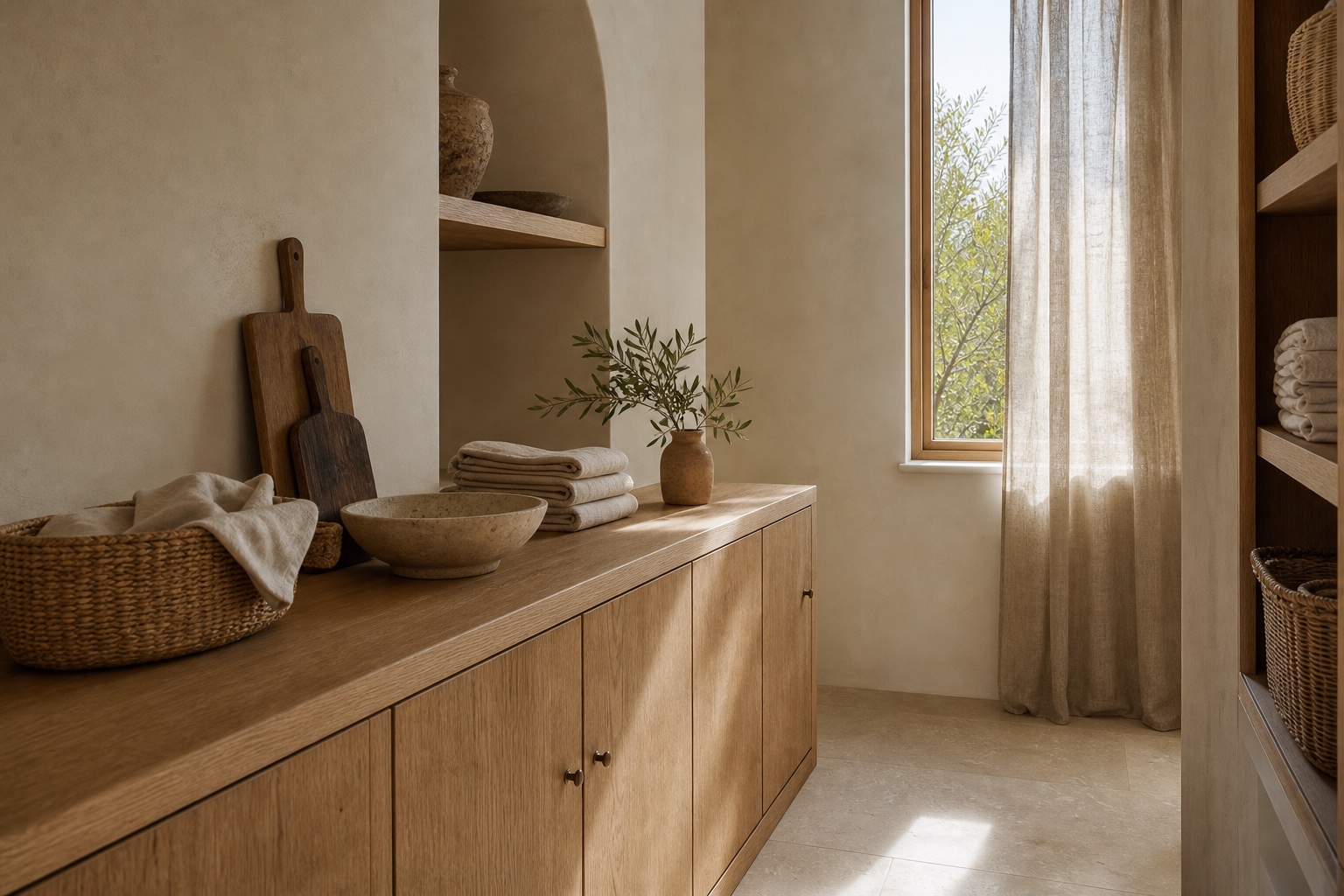
Put a branch, a few books, and a nice bowl on almost any surface and it will look considered in a photograph. That doesn't tell you whether the furniture itself is doing much for the room.
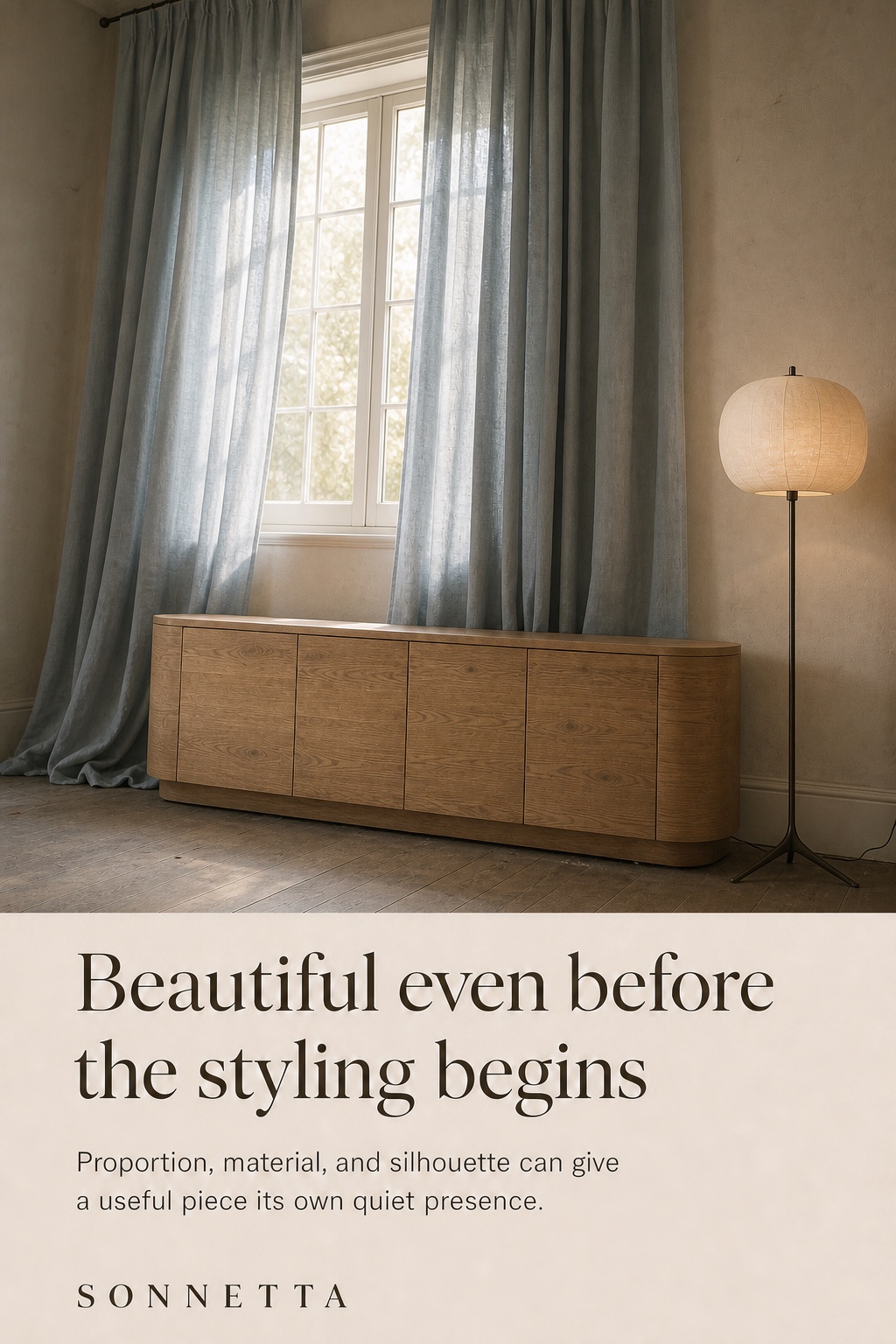
The question is what happens when everything is removed. Does the piece still give something to the room, or does it need objects around it before it makes sense?
The empty surface test.
We like to look at an anchor piece before anything is placed on it. Can the sideboard hold its own against the wall? Does the table bring the seating together? Is the vessel satisfying even without flowers?
This doesn't mean every piece needs to be dramatic. Often the strongest object is quiet. It simply has proportion you can feel, material that carries light well, and a line that doesn't become tired after the first week.
Material changes a room in practical ways.
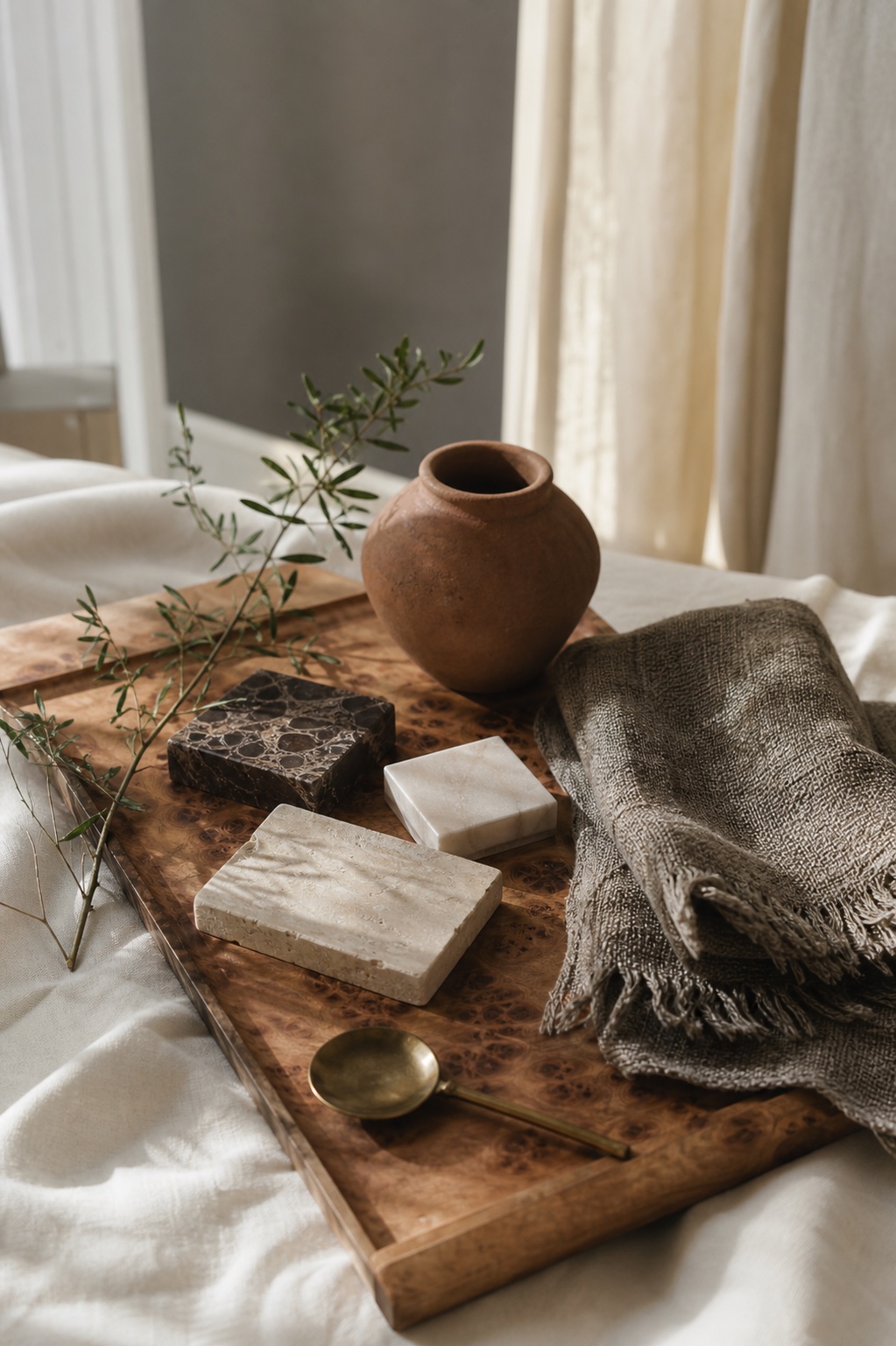
Walnut warms pale walls; travertine adds weight; linen softens hard edges; distressed iron gives a smooth room some texture.
When the piece already has texture and character, you don't have to do as much around it.
Check the proportions.
A piece can be expensive and still feel unsettled if the proportion is off. Too tall, and a sideboard can overwhelm the wall. Too slight, and it disappears under the things placed on it. Too ornamental, and the object starts to take over.
Good proportions make the nearby choices easier: chairs sit comfortably around the piece, art has room, and the wall no longer feels bare.
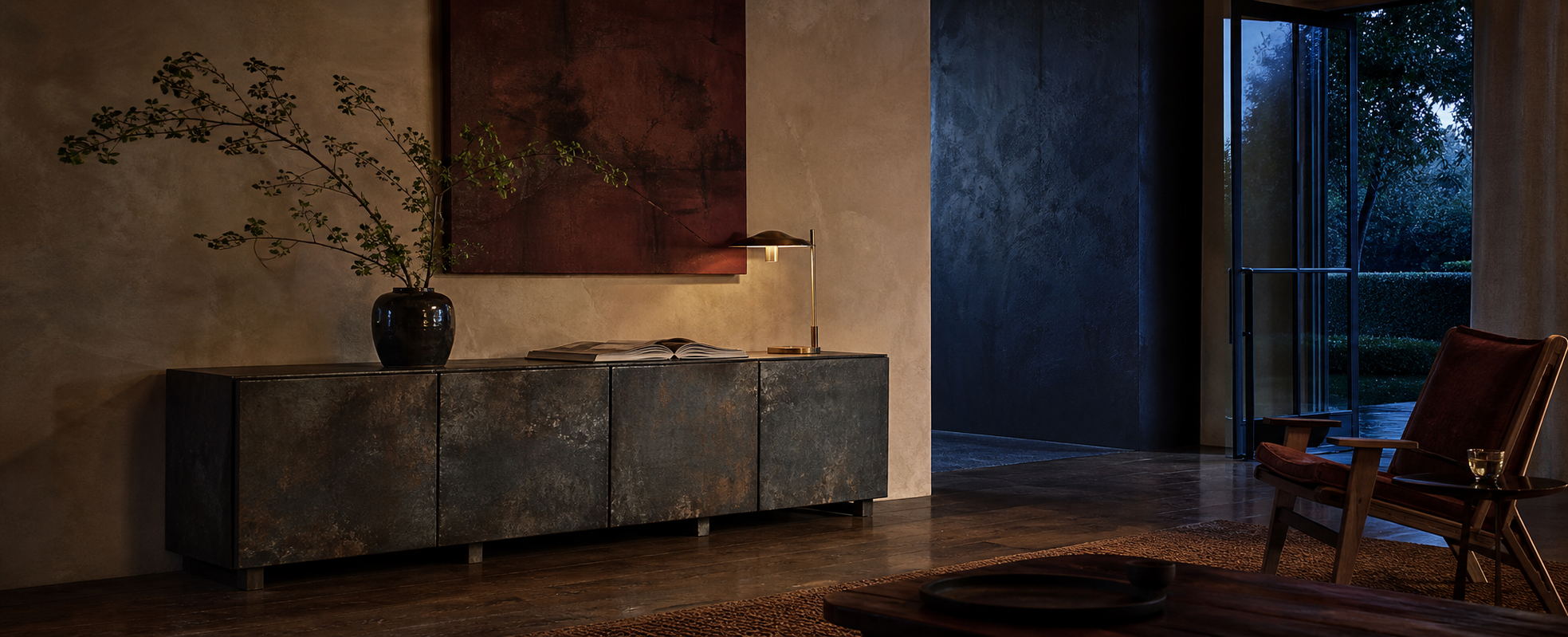
Why the Stormy Sideboard works.
The Stormy Sideboard was our first Source List pick because it passes this test. The distressed iron has real texture, and its long, low shape works well against a blank wall. It looks finished before anything is placed on top.
It is useful storage, but it also makes the surrounding room easier to leave alone.
What to ask before choosing.
It helps to picture an anchor piece without the catalogue styling: no lamp, bowl, flowers, or art leaned behind it. Would you still like its shape? Would it fit the wall and be useful on an ordinary day?
The point isn't to own fewer things for the sake of austerity. It's to choose the few things that make the rest of the room feel easier.
Not every surface needs something on it. One or two well-chosen pieces can make the rest of the room feel easier.
Some useful objects also change the atmosphere when heard. Continue with sound-making objects that remain beautiful when silent.
A convincing frame matters at floor level too. See pet beds designed to remain in the room.